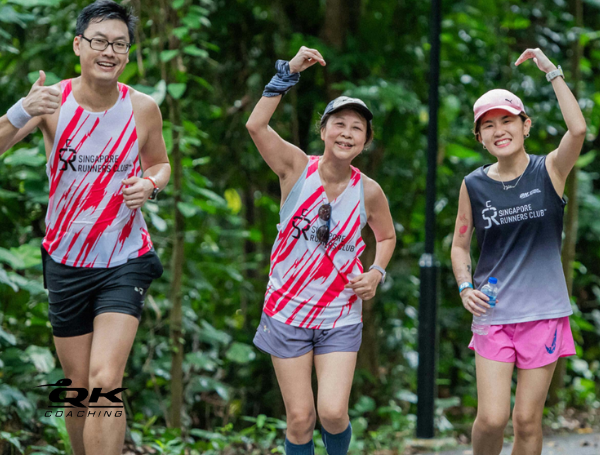
Every Saturday morning, hundreds of thousands of people around the world gather in parks, reserves, beaches, forests, and community spaces to complete a free timed 5-kilometre event.
Some are trying to run personal bests.
Some are training for bigger events.
Many are simply looking for a reason to get moving and meet new people.
And every week, thousands of people attend their very first parkrun.
If you’ve heard people talking about parkrun but aren’t quite sure what it is, how it works, or whether it’s right for you, this guide will answer everything you need to know before your first visit.
What Is parkrun?
parkrun is a free, weekly, timed 5-kilometre event held every Saturday morning in locations all around the world.
Participants can run, jog, walk, volunteer, or simply come along and support others.
The concept is beautifully simple. Turn up, complete the course at your own pace, have your time recorded, and return the following week if you enjoyed it.
The first parkrun was held in 2004 in London, England, when just 13 runners gathered in a local park. Since then, the movement has grown into a global community involving millions of participants across dozens of countries.
Today, parkrun events are held throughout New Zealand, Australia, the United Kingdom, South Africa, the United States, Canada, and many other nations.
Despite the growth, the core philosophy remains unchanged:
parkrun is free, welcoming, inclusive, and open to everyone.
Is parkrun a Race?
This is one of the most common misconceptions.
While some participants treat parkrun as a race and chase personal bests, parkrun itself is not a race in the traditional sense.
There are no prizes.
There are no entry fees.
There are no qualification standards.
There is no pressure to run fast.
You won’t find elite athletes lining up at the front expecting everyone else to get out of the way.
Instead, you’ll find a wide range of participants:
- First-time runners
- Recreational joggers
- Walkers
- Families
- Competitive athletes
- People returning from injury
- People improving their health
- People simply enjoying a Saturday morning outdoors
Everyone is welcome.
The only competition that really matters is the one you have with yourself.
Do I Need to Be Fit Before I Start?
Absolutely not.
Many people assume they need to be able to run 5 kilometres continuously before attending parkrun.
You don’t.
Every week, thousands of participants walk the entire course.
Others alternate between walking and running.
Some push prams.
Some complete the course while recovering from illness, injury, or long periods of inactivity.
The beauty of parkrun is that it meets you where you are.
Whether you finish in 18 minutes or 68 minutes, you’ll receive exactly the same support, encouragement, and recognition.
The final participant is never left behind because every parkrun has a volunteer known as the Tail Walker, whose job is to remain at the back of the field and ensure everyone completes the course safely.
Nobody finishes last at parkrun.
Free Download: The First-Time parkrun Checklist
Thinking about attending your first parkrun but not quite sure what to expect?
Download my FREE First-Time parkrun Checklist and discover:
✓ How to register for parkrun and get your barcode
✓ What to bring on Saturday morning
✓ What happens before, during, and after the event
✓ Common first-timer mistakes to avoid
✓ How to feel confident before your first parkrun
👉 Enter your details below and I’ll send your free copy immediately.
How Long Does It Take to Complete a parkrun?
For most people, a parkrun takes somewhere between 20 and 50 minutes.
Here’s a rough guide:
- Fast runners: 16–22 minutes
- Recreational runners: 25–35 minutes
- Run/walk participants: 35–45 minutes
- Walkers: 45–70 minutes
There is no cut-off time.
As long as you keep moving forward, you’ll be welcomed and supported.
Can I Walk parkrun?
Yes.
Walking is actively encouraged.
In fact, one of the biggest changes in recent years has been the growing number of walkers participating every week.
Some people walk because they are starting a fitness journey.
Others walk because they are recovering from injury.
Some enjoy the social side more than the running.
Whatever your reason, you belong at parkrun.
The event is often described as a run, but the reality is that it’s equally a walking event.
What Are the Benefits of parkrun?
While many people initially attend to improve their fitness, they often discover something even more valuable.
Physical Health
Completing a regular 5-kilometre walk or run can help improve:
- Cardiovascular fitness
- Weight management
- Blood pressure
- Energy levels
- Strength and endurance
Mental Health
Many participants report improvements in:
- Mood
- Confidence
- Stress management
- Motivation
- Overall wellbeing
There is something powerful about starting your weekend with fresh air, movement, and positive people.
Community and Friendship
For many participants, this becomes the biggest benefit.
It’s common to arrive knowing nobody and within a few weeks find yourself chatting with the same people every Saturday morning.
Lifelong friendships have been formed through parkrun communities around the world.
Is parkrun Suitable for Children?
Yes.
Children aged 4–10 can participate when accompanied by a responsible adult.
Older children can often participate independently, depending on local event requirements.
Many families make parkrun part of their weekly routine.
Parents run with children.
Grandparents walk with grandchildren.
Entire families participate together.
It’s one of the few sporting activities where multiple generations can take part at the same time.
Can I Bring My Dog?
At many events, yes.
However, rules vary by country and location.
Some events allow dogs on a short handheld lead.
Others may have restrictions based on local council requirements or course design.
Always check your local event page before attending.
What Happens After You Finish?
After crossing the finish line, you’ll receive a finish token and have your barcode scanned.
Later that day, you’ll receive your official result.
Your result includes:
- Finish time
- Position
- Age grading percentage
- Personal best information
- Total number of parkruns completed
Many participants then head to a local café for a post-event coffee and conversation.
For some people, this social aspect becomes just as important as the walk or run itself.
Common Fears About Your First parkrun
“I’m too slow.”
You’re not.
Every parkrun has walkers and first-timers.
“People will judge me.”
They won’t.
Most participants are too focused on their own experience to worry about anyone else’s pace.
“I don’t know anyone.”
Neither did most people when they attended their first event.
“I might have to walk.”
That’s completely normal.
Many participants walk all or part of every parkrun.
“I’m nervous.”
That’s normal too.
Almost everyone feels nervous before their first parkrun.
Most discover within a few minutes that the atmosphere is far friendlier and more relaxed than they expected.
Why Your First parkrun Matters
Your first parkrun isn’t about your finishing time.
It isn’t about how fast you run.
It isn’t about where you finish.
It’s about taking the first step.
Every experienced parkrunner started exactly where you are now.
They attended their first event unsure what to expect.
They wondered if they would fit in.
They questioned whether they were fit enough.
Then they showed up.
And that’s all you need to do.
Turn up.
Take part.
Enjoy the experience.
The rest will take care of itself.
Ready for Your First parkrun?
Now that you know what parkrun is and why millions of people love it, the next step is getting registered and obtaining your barcode.
In our next guide, we’ll walk you through exactly how to register for parkrun, find your nearest event, and make sure you’re ready for your first Saturday morning adventure.
Make Your First parkrun Easier
If you’re excited about attending your first parkrun but still have a few questions or nerves, I’ve created a free resource to help.
Get the FREE First-Time parkrun Checklist
This simple guide walks you through everything you need to know before Saturday morning, including:
✓ Registration and barcodes
✓ What to wear
✓ What to bring
✓ When to arrive
✓ What happens at the briefing
✓ How the finish process works
✓ Common mistakes first-timers make
Thousands of people attend their first parkrun every week.
This checklist will help you arrive feeling prepared, confident, and ready to enjoy the experience.
Download your free copy below.